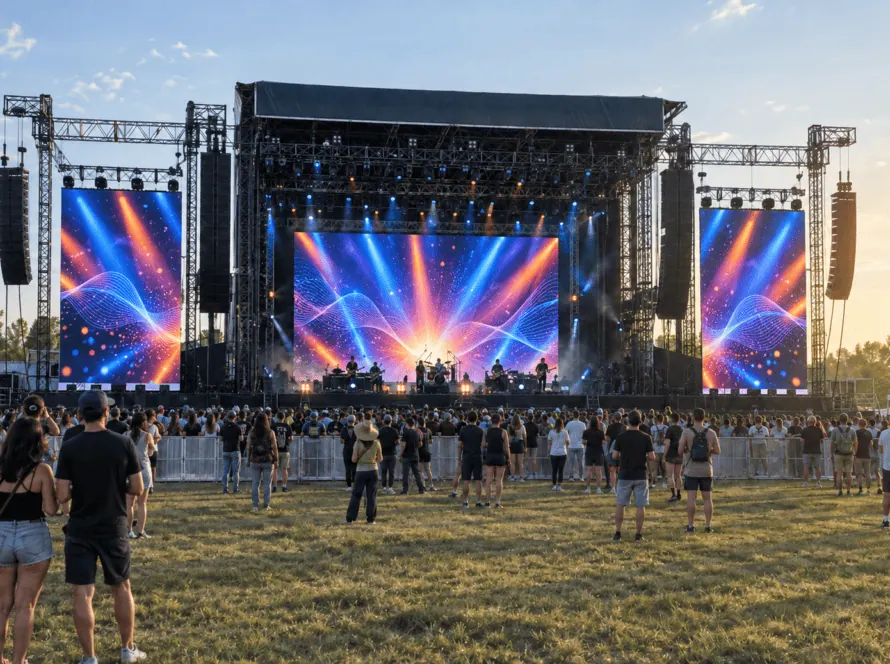
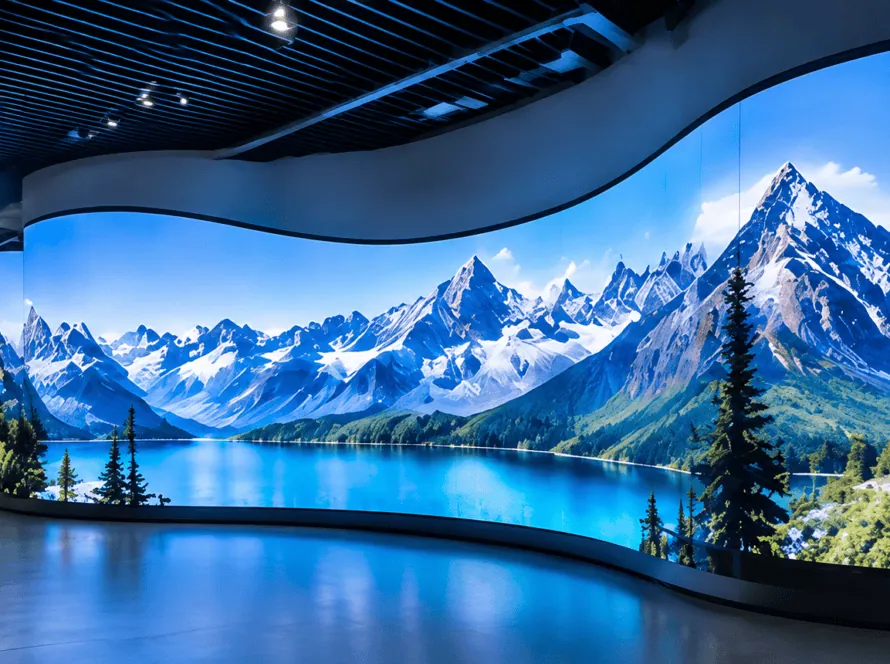
Looking for LED video walls for sale? Whether you are building a commercial advertising display, a conference room video wall, or a large LED screen for live events, choosing the right package involves more than comparing prices per square meter.
A complete LED video wall solution should match your installation environment, viewing distance, screen size, brightness requirements, and control system. Understanding these factors before purchasing can help you avoid unnecessary costs and achieve better long-term performance.
In this guide, we explain what to look for when comparing LED video wall panels, what a typical LED screen package includes, and how to choose the best solution for your project.
1. What Is Included in an LED Video Wall Package?
An LED video wall is made up of multiple LED display panels assembled into one large screen. Unlike traditional LCD video walls, LED displays can create large, nearly seamless viewing surfaces without the visible borders commonly found between LCD panels.
A standard LED screen package may include:
LED display panels or cabinets: The main display units that form the screen.
LED modules: The individual display units installed inside the cabinets.
Control system: Sending cards, receiving cards, processors, or other required control equipment, depending on the configuration.
Power supplies and cables: Components for powering and connecting the display.
Mounting structure: Wall brackets, steel structures, or hanging systems, depending on the installation.
Spare parts: Recommended spare LED modules and other critical components for maintenance.
Not every package includes all these items. For example, a basic package may exclude the installation structure, video processor, shipping, and installation services.
Before ordering, ask your supplier for a detailed bill of materials and confirm exactly what is included in the quoted price.
2. How to Choose the Right LED Video Wall Panels
The best LED video wall panels are not necessarily the most expensive ones. The right choice depends on how and where the screen will be used.
Choose the Right Pixel Pitch
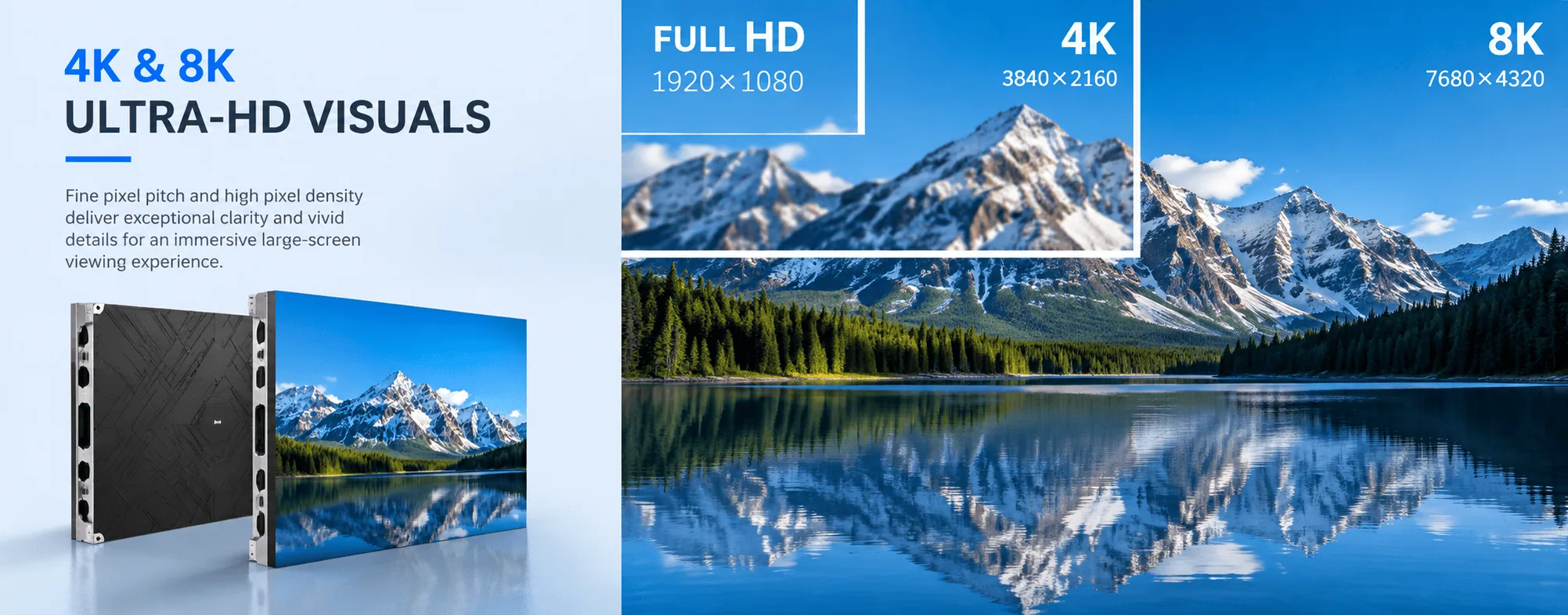
Pixel pitch refers to the distance between adjacent LED pixels, measured in millimeters. A smaller pixel pitch generally produces a sharper image at a closer viewing distance, but it also increases the cost per square meter.
Common options include:
P1.25–P1.86: Suitable for premium indoor applications, control rooms, and close-viewing environments.
P2–P2.5: Ideal for conference rooms, corporate displays, retail environments, and indoor advertising.
P2.97–P3.91: Popular for indoor rental screens, events, exhibitions, and stage backgrounds.
P4–P6.67: Suitable for larger indoor displays and many outdoor applications, depending on viewing distance.
P8–P10: Commonly used for large outdoor advertising screens viewed from farther away.
These are general guidelines rather than fixed rules. The actual choice should be based on the screen dimensions, viewing distance, content, and budget.
For example, a conference room screen viewed from two or three meters away usually requires a finer pixel pitch than a roadside billboard viewed from dozens of meters away.

Check Brightness and Installation Environment
Indoor and outdoor LED video walls have different requirements.
Indoor displays generally need controlled brightness to provide comfortable viewing and clear images under indoor lighting. Outdoor displays must compete with sunlight and may require high brightness, weather-resistant cabinets, and suitable protection against rain and dust.
For outdoor projects, consider:
Brightness appropriate for direct sunlight.
Cabinet and module protection ratings.
Heat dissipation and ventilation.
Front or rear maintenance access.
Long-term exposure to rain, humidity, and temperature changes.
A high brightness rating alone does not guarantee good outdoor performance. Thermal management, waterproof construction, power consumption, and component quality are equally important.
Compare Cabinet Design and Maintenance
LED cabinets affect installation speed, structural requirements, and maintenance costs.
Die-cast aluminum cabinets are commonly used for rental displays because they are lightweight and designed for repeated assembly. Fixed-installation projects may use different cabinet structures depending on screen size, wind load, installation method, and budget.
Also consider whether the display supports front maintenance. In locations where rear access is limited, front-service LED modules or cabinets can make maintenance much easier.
3. LED Video Walls for Sale: Fixed Installation vs. Rental Screens
Before selecting a package, decide whether your LED video wall will remain in one location or be assembled and dismantled regularly.
Fixed LED Video Walls
Fixed LED displays are designed for long-term installation in locations such as shopping centers, retail stores, conference rooms, building facades, and outdoor advertising sites.
When choosing a fixed-installation package, prioritize:
Cabinet strength and installation compatibility.
Stable operation over long periods.
Convenient maintenance access.
Appropriate brightness and environmental protection.
Power consumption and ongoing operating costs.
For outdoor fixed installations, the supporting structure and local wind-load requirements should also be evaluated before production.
Rental LED Video Walls
Rental LED screens are designed for events, concerts, exhibitions, conferences, and stage productions.
A rental package should focus on:
Lightweight cabinets for transportation.
Fast assembly and disassembly.
Reliable locking systems.
Consistent color and brightness across panels.
Suitable hanging or stacking accessories.
Convenient spare-part replacement.
For event companies, cabinet compatibility and easy maintenance are particularly important because equipment may be used at multiple venues and under tight installation schedules.
4. How Much Does an LED Video Wall Package Cost?
The cost of an LED video wall depends on several factors, so comparing prices without checking the specifications can be misleading.
The main price factors include:
1. Pixel pitch: Smaller pixel pitches require more LEDs per square meter and typically cost more.
2. Screen size: Larger displays require more panels, power supplies, cables, and supporting components. However, the cost per square meter may vary with the configuration and order quantity.
3. LED components: LED brand, brightness consistency, and performance requirements can affect the total price.
4. Cabinet design: Lightweight rental cabinets, custom-sized cabinets, and specialized outdoor cabinets have different costs.
5. Control system: The required sending cards, receiving cards, video processor, and signal distribution equipment depend on the screen configuration and application.
6. Installation and logistics: Shipping, import duties, installation structures, labor, and commissioning may significantly affect the total project budget.
When comparing LED video walls for sale, ask for two separate prices if necessary: the display hardware package and the complete installed solution.
This makes it easier to compare suppliers on an equivalent basis and understand the actual project cost.
5. How to Select the Best LED Display Video Wall Supplier
Searching for the best LED display video walls is only the first step. A reliable supplier should help you select a technically suitable configuration instead of simply offering the lowest price.
Before placing an order, consider the following:
Product specifications: Request detailed information about pixel pitch, brightness, refresh rate, cabinet dimensions, and protection ratings.
Control system compatibility: Confirm that the proposed control system supports your required input signals, resolution, and playback setup.
Quality control: Ask about production inspection, aging tests, and checks for color consistency.
Maintenance support: Confirm the availability of spare parts, technical documentation, and after-sales assistance.
Project experience: Look for experience with applications similar to yours, whether fixed outdoor advertising, corporate displays, or rental events.
A good supplier should also be able to explain the trade-offs between different configurations and recommend an option that fits your actual project requirements.
6. How to Get an LED Video Wall Package That Fits Your Project
Before requesting a quotation, prepare a few basic details:
Application: Indoor conference room, retail advertising, outdoor billboard, stage rental, or another use.
Screen dimensions: Width and height, or the total display area in square meters.
Viewing distance: The approximate distance between the audience and the screen.
Installation method: Wall-mounted, freestanding, hanging, or integrated into an existing structure.
Project location: This helps determine shipping arrangements and relevant environmental requirements.
Budget and delivery schedule: These help narrow down suitable configurations.
For example, an indoor conference room may benefit from a fine-pitch LED display with front maintenance, while a large outdoor advertising project may require a higher-brightness screen with weather-resistant cabinets.
Providing these details allows the supplier to recommend the appropriate pixel pitch, cabinet configuration, control system, and accessories.